As global populations continue to rise and climate patterns become more unpredictable, the need for effective water conservation techniques has become more urgent than ever. Urban areas, in particular, face mounting pressure as growing communities strain limited water resources. From drought-prone regions to highly populated cities, households are realizing the importance of adopting smarter ways to reduce water waste. This shift is closely tied to the growing movement toward urban sustainability, which encourages responsible use of natural resources to build healthier, more resilient cities for the future.
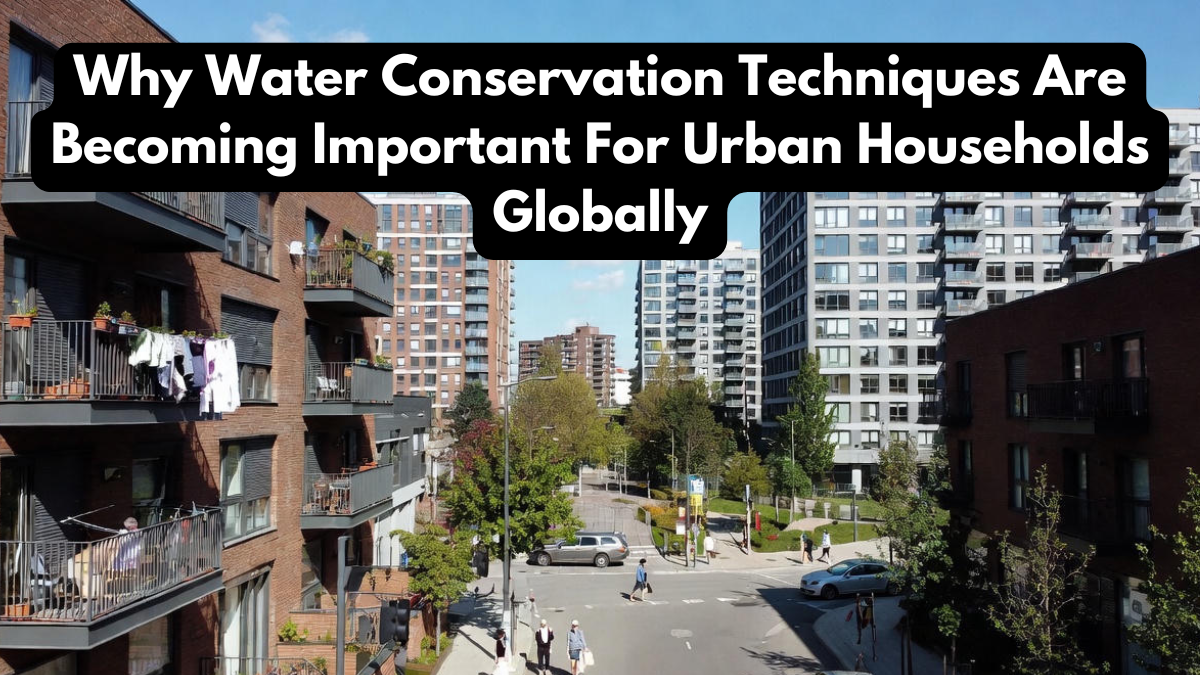
Why Water Conservation Matters in Urban Environments
Urban households consume vast amounts of water daily for cooking, cleaning, bathing, and gardening. As populations expand, the demand for water increases while available supply often remains the same or decreases due to climate change. This imbalance highlights the urgency of implementing water conservation techniques to prevent shortages and ensure long-term water security. Many cities now recognize that sustainable water management is essential to maintaining quality of life and supporting economic growth.
The push for urban sustainability also encourages communities to rethink their daily habits. Water-saving behaviors reduce environmental strain, lower utility bills, and help create a more sustainable future for all urban residents. Governments, environmental groups, and city planners are working together to educate communities about the importance of conserving water and adopting efficient household practices.
Common Water Conservation Techniques for Urban Households
There are many practical water conservation techniques that urban residents can adopt to reduce waste. Some of these methods require minimal effort, while others involve technological upgrades that significantly improve water efficiency. These strategies are designed to help households manage water responsibly without sacrificing comfort or convenience.
Below is a table summarizing useful conservation methods for urban homes:
| Conservation Technique | How It Helps | Benefit for Urban Living |
|---|---|---|
| Low-Flow Faucets & Showers | Reduce water usage per minute | Lowers household water bills |
| Rainwater Harvesting | Collects natural rainfall for reuse | Supports urban sustainability |
| Leak Detection Systems | Identify hidden leaks | Prevents major water loss |
| Greywater Recycling | Reuses water from sinks and showers | Reduces pressure on city water supplies |
These methods highlight how small changes can contribute to effective water conservation techniques, benefiting both households and the broader urban environment.
How Water Conservation Supports Urban Sustainability Goals
The link between water conservation techniques and urban sustainability is stronger than ever. Sustainable cities aim to minimize ecological impact while maximizing resource efficiency. When households adopt water-saving habits, the entire community benefits. Lower water consumption reduces strain on local reservoirs, treatment plants, and distribution systems. It also decreases energy consumption, since less water needs to be pumped and processed.
Urban planners encourage water-efficient landscaping, smart irrigation systems, and building designs that prioritize sustainability. These initiatives help cities prepare for long-term challenges, including rising temperatures and increasing droughts. By integrating water conservation techniques into city planning, urban areas move closer to achieving sustainability goals that protect future generations.
The Role of Technology in Advancing Water Conservation
Modern technology plays a crucial role in enhancing water conservation techniques for urban households. Smart home devices now allow residents to track water usage in real time, set consumption limits, and receive alerts about leaks. These tools support efficient water use by giving homeowners greater control and awareness. Advancements in plumbing technology, irrigation systems, and water recycling devices also help reduce unnecessary waste.
These innovations are essential to achieving broader urban sustainability objectives. Smart meters, automated irrigation timers, and water-efficient appliances are becoming more affordable and accessible, making it easier for households to adopt sustainable practices. As more cities embrace green technology, water conservation becomes not only a personal responsibility but also a community-wide effort.
Community Education and Awareness Efforts
A key part of improving water conservation techniques is educating the public. Many residents may not realize how much water they use daily or how easily it can be saved. Public awareness campaigns, school programs, and digital resources help individuals learn practical tips for reducing consumption. When communities stay informed, they become active participants in achieving urban sustainability goals.
In many cities, local governments collaborate with environmental organizations to promote workshops, home assessments, and incentive programs that encourage the adoption of water-saving devices. This widespread educational effort helps build a culture of responsibility and inspires long-term behavioral change.
Conclusion
As urban populations grow and environmental challenges intensify, adopting effective water conservation techniques becomes essential for sustaining healthy cities. These practices reduce water waste, lower household expenses, and contribute to long-term urban sustainability goals. Through technology, education, and community involvement, cities around the world are finding new ways to manage water responsibly. By embracing conservation at the household level, individuals play a vital role in building stronger, more sustainable urban environments for the future.
FAQs
Why are water conservation techniques important for urban areas?
They help reduce water waste, ensure long-term water availability, and support sustainable living.
How does urban sustainability relate to water usage?
Sustainable cities aim to manage natural resources responsibly, making water conservation a key part of sustainability plans.
What are simple techniques for saving water at home?
Using low-flow fixtures, fixing leaks, collecting rainwater, and recycling greywater are effective methods.
How does technology support water conservation techniques?
Smart meters, efficient appliances, and automated irrigation systems help reduce unnecessary water consumption.
Can water conservation significantly impact urban sustainability?
Yes, widespread conservation efforts reduce environmental strain and improve the resilience of city water systems.
Click here to learn more