The modern workplace is transforming rapidly, and one of the most refreshing changes is the rise of walking meetings. Once viewed as unconventional, these mobile discussions are now becoming a preferred corporate strategy for boosting creativity, improving communication, and enhancing team engagement. At the same time, companies worldwide are recognizing the importance of workplace wellness, and walking meetings are emerging as one of the simplest yet most effective ways to support employee well-being. As organizations look for natural ways to reduce stress, increase productivity, and break the monotony of traditional seated meetings, walking meetings are becoming a true revolution in professional culture.
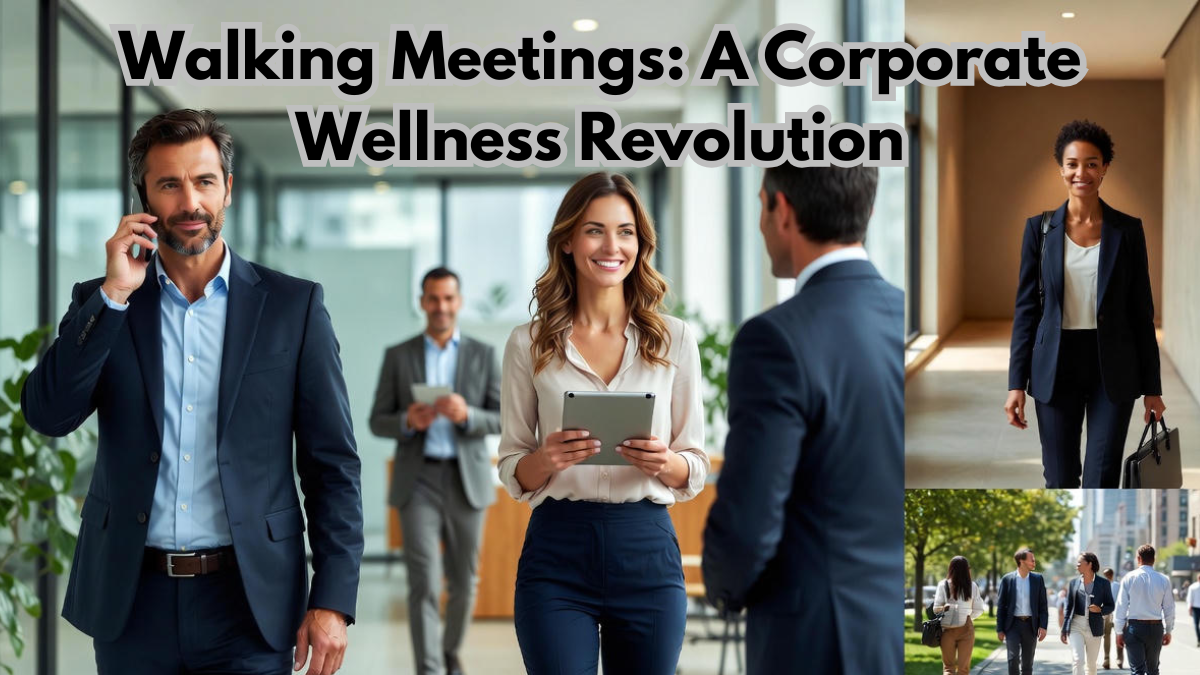
Why Walking Meetings Work So Well
The science behind walking meetings is surprisingly strong. When people walk, their heart rate increases slightly, blood flow improves, and oxygen reaches the brain more efficiently. This stimulates clearer thinking, faster problem-solving, and deeper creativity. Traditional boardroom meetings tend to feel rigid and pressured, often inhibiting open discussion. However, walking side by side removes hierarchy, reduces tension, and encourages more authentic communication.
This direct link to workplace wellness makes walking meetings especially powerful. Physical activity reduces cortisol levels, improves emotional stability, and counteracts the negative effects of prolonged sitting. Since most employees spend hours at desks, walking meetings offer a refreshing break that revitalizes both mind and body. The movement also supports better memory retention and encourages participants to stay present and engaged.
The Impact of Walking Meetings on Communication and Productivity
One of the most notable benefits of walking meetings is improved communication. When people walk together, conversations become more fluid. Eye contact is less intense, allowing introverted or anxious employees to express ideas more comfortably. Walking meetings naturally create a more equitable environment where all voices can be heard. This relaxed atmosphere leads to better team bonding, stronger collaboration, and clearer decision-making.
The impact on workplace wellness is equally significant. Physical movement increases serotonin production, which boosts mood and overall well-being. Teams that walk regularly often report reduced stress levels and improved mental clarity. This positive emotional state directly contributes to increased efficiency, as employees return to work more energized and focused. As companies explore new ways to enhance workflow and reduce burnout, incorporating walking meetings into daily routines has proven to be an effective strategy.
Comparing Walking Meetings to Traditional Meetings
To better understand why walking meetings are becoming a preferred choice, here is a comparison outlining their differences from traditional seated meetings:
| Meeting Type | Environment | Productivity Level | Health Benefits | Engagement |
|---|---|---|---|---|
| Traditional meeting | Seated indoors | Moderate | Minimal | Variable |
| Walking meetings | Outdoors or open spaces | High | Strong workplace wellness benefits | High |
This table clearly shows how walking meetings outperform traditional meetings in key areas. By combining movement with communication, they align perfectly with workplace wellness goals and foster healthier, more productive work cultures. Companies that replace even one seated meeting a week with a walking meeting frequently notice improved employee morale and better idea generation.
How Walking Meetings Support Long-Term Workplace Wellness
Implementing walking meetings is more than a trend—it is a long-term investment in creating healthier organizations. Sedentary office routines contribute to numerous health risks, including back pain, cardiovascular issues, and declining mental health. Walking meetings counteract these risks by promoting consistent physical activity. Even a short 20-minute walk can significantly improve mood, reduce fatigue, and foster a sense of accomplishment.
From a psychological standpoint, walking helps employees break out of stagnant thinking patterns. When an individual’s environment changes, the brain responds by forming new neural connections. This is why walking meetings often lead to fresh ideas and innovative solutions. Incorporating them into workplace culture strengthens team spirit, enhances problem-solving, and supports sustained workplace wellness.
Walking meetings also encourage work-life balance. Employees feel more valued when companies prioritize their well-being, which increases loyalty and reduces turnover. Simply put, when people move their bodies, their brains—and their careers—benefit.
Practical Tips for Effective Walking Meetings
While walking meetings are simple to organize, a few practical strategies can make them more effective. First, keep the group size small, ideally two to four people, to maintain clear communication. Choose safe and quiet walking routes free from loud distractions. Set a clear agenda before starting, and consider using voice notes instead of writing while walking.
These tips also support workplace wellness by ensuring the meeting feels smooth and enjoyable rather than rushed. Participants should wear comfortable shoes and stay hydrated. If weather conditions are challenging, indoor walking tracks or large hallways offer alternatives. The key is to maintain movement while keeping the conversation productive and natural.
Conclusion
The rise of walking meetings signals a major shift in how companies approach communication, productivity, and employee well-being. By blending physical movement with professional discussions, organizations can transform stagnant office routines into dynamic, health-boosting interactions. As the importance of workplace wellness becomes more widely recognized, walking meetings stand out as a simple yet transformative tool. They promote creativity, foster collaboration, and reduce stress—benefits that are essential in today’s demanding work environments. Embracing walking meetings is more than a trend; it is a meaningful step toward building healthier, happier, and more innovative workplaces.
FAQs
What is a walking meeting?
A walking meeting is a professional discussion that takes place while participants walk instead of sitting in a traditional meeting room.
How do walking meetings improve workplace wellness?
Walking meetings improve workplace wellness by reducing physical inactivity, lowering stress, and boosting mental clarity through movement.
Are walking meetings suitable for every type of discussion?
They are ideal for brainstorming, planning, and one-on-one conversations, but not always suitable for presentations requiring screens or large groups.
How long should a walking meeting last?
Most walking meetings last 15–30 minutes, long enough to boost creativity and communication without becoming physically tiring.
Do walking meetings increase productivity?
Yes, walking meetings enhance focus, encourage open communication, and improve emotional well-being, all of which contribute to higher productivity.
Click here to learn more