Most people begin decluttering with a simple goal in mind—clean the house, organize belongings, or create more space. But what many don’t realize is that emotional decluttering goes far beyond removing physical items. It quietly works on the inner world, releasing mental weight, emotional stress, and long-held tension. In today’s fast-paced environment, where anxiety and burnout are increasingly common, the connection between emotional decluttering and mental health is becoming more visible than ever. What starts as a practical task often transforms into a deeply emotional and psychological reset, leaving people feeling lighter, clearer, and more emotionally balanced.
The Hidden Link Between Emotional Decluttering and Mental Health
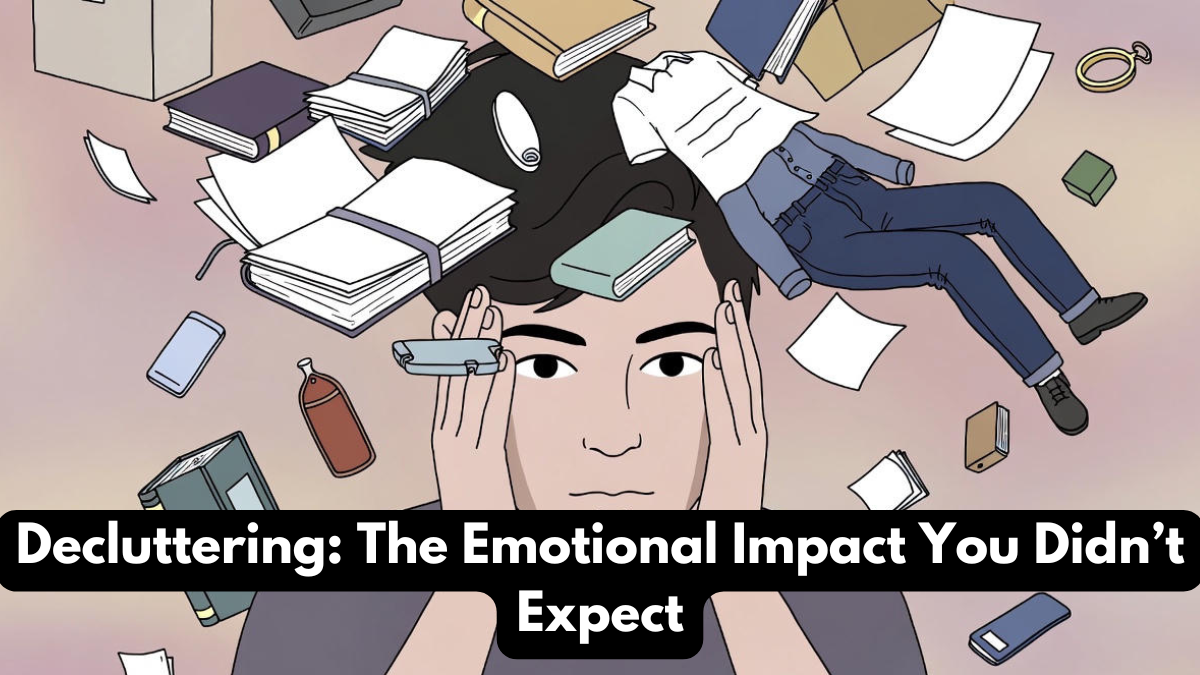
The clutter in our surroundings often reflects the clutter within the mind. Emotional decluttering is not just about throwing things away—it is about letting go of emotional attachments, unresolved memories, guilt, and outdated identities connected to those objects. According to psychologists, excessive clutter can overstimulate the brain, increase cortisol levels, and create a constant sense of visual pressure. This directly impacts mental health, contributing to anxiety, irritability, and emotional overwhelm.
When people begin practicing emotional decluttering, they often experience unexpected emotional responses. Letting go of objects associated with past relationships, childhood, or major life events can trigger grief, relief, or even joy. This emotional processing is deeply connected to mental health healing. The act of consciously choosing what stays and what leaves strengthens emotional awareness and self-control. Over time, emotional decluttering reshapes how individuals relate not only to possessions but also to their past experiences and future goals.
How Emotional Decluttering Affects the Brain and Emotions
The brain thrives in orderly environments. When we engage in emotional decluttering, the brain receives fewer visual inputs, reducing cognitive overload. This allows mental energy to be redirected toward creativity, decision-making, and emotional regulation. Mental health professionals emphasize that clutter constantly competes for attention, which leads to mental fatigue.
Here’s a simple table showing the emotional and mental differences before and after emotional decluttering:
| State of Environment | Brain Response | Emotional Impact | Mental Health Effect |
|---|---|---|---|
| Cluttered space | Overstimulated, distracted | Anxiety, overwhelm | Negative |
| Emotionally decluttered space | Calm, focused | Relief, emotional clarity | Positive |
This table highlights how emotional decluttering directly supports better mental health by reducing sensory overload and restoring emotional balance. People often describe the feeling after decluttering as “mentally spacious,” as if their thoughts can finally breathe again.
Emotional Decluttering and Its Role in Stress and Trauma Release
One of the most powerful benefits of emotional decluttering is how it helps with stress and trauma release. Many individuals unknowingly keep objects tied to painful memories, unfinished grief, or guilt. Each time they see those items, the emotional memory is silently reactivated. This subconscious stress buildup weakens mental health over time.
As people begin practicing emotional decluttering, they slowly confront these emotional attachments. This confrontation brings awareness, acceptance, and finally release. The process is similar to emotional therapy, where unspoken feelings gradually surface and dissolve. Mental health improvement often follows as people release emotional baggage that has been embedded in their environment for years.
Common emotional blocks released through emotional decluttering include:
- Guilt associated with unused gifts
- Grief connected to loss
- Fear of scarcity
- Identity tied to past achievements
- Emotional attachment to broken relationships
With each emotional release, emotional decluttering strengthens inner resilience and self-compassion—both essential for long-term mental health stability.
How Emotional Decluttering Changes Daily Behavior and Self-Image
The impact of emotional decluttering does not stop with the environment—it transforms daily behavior and personal identity. Once individuals experience the relief of living with less emotional weight, they begin applying the same clarity to relationships, habits, work life, and emotional boundaries. People often become more selective about what they say yes to, who they spend time with, and how they manage their energy.
This transformation plays a powerful role in strengthening mental health. Decision-making becomes easier, emotional reactions become calmer, and the constant sense of pressure begins to fade. Emotional decluttering teaches people that letting go is not loss—it is empowerment. Over time, individuals develop a healthier relationship with control, attachment, and emotional dependence.
Long-Term Mental Health Benefits of Emotional Decluttering
The benefits of emotional decluttering grow stronger with time. As people repeatedly practice letting go, they build emotional flexibility—the ability to adapt without emotional resistance. This skill is crucial for long-term mental health in an unpredictable world. Instead of holding onto outdated coping mechanisms, individuals become more open to emotional growth.
Long-term emotional decluttering leads to:
- Reduced anxiety and panic responses
- Improved sleep and relaxation
- Healthier emotional boundaries
- Increased self-confidence
- Stronger focus and emotional awareness
These benefits explain why therapists increasingly recommend emotional decluttering as a complementary practice for anxiety, depression, and burnout. When emotional weight is released from the environment, the mind naturally follows. Over time, this practice becomes a lifestyle of emotional clarity and psychological resilience rooted deeply in mental health awareness.
Conclusion
The impact of emotional decluttering reaches far deeper than most people initially expect. What begins as a simple act of cleaning and organizing often turns into a powerful emotional journey of awareness, healing, and renewal. By releasing emotional attachments tied to physical clutter, individuals unlock profound improvements in mental health, emotional stability, and self-control. In a world full of noise, pressure, and constant stimulation, emotional decluttering offers something truly rare—mental quiet, emotional clarity, and the freedom to move forward without carrying unnecessary emotional weight. It is not just about creating space in a room; it is about creating space in the mind and heart.
FAQs
What is emotional decluttering in simple terms?
Emotional decluttering is the process of releasing emotional attachments to physical objects, memories, and experiences that contribute to stress and emotional overwhelm.
How does emotional decluttering improve mental health?
Emotional decluttering reduces anxiety, emotional overload, and cognitive fatigue, allowing the mind to feel calmer and more balanced.
Is emotional decluttering the same as minimalism?
No, emotional decluttering focuses on the emotional attachment to belongings, while minimalism focuses more on reducing the number of physical possessions.
Can emotional decluttering help with anxiety and stress?
Yes, emotional decluttering is highly effective in reducing anxiety, stress, and emotional tension by removing subconscious emotional triggers.
How often should someone practice emotional decluttering?
Emotional decluttering can be practiced gradually and regularly, either seasonally or whenever emotional overwhelm begins to build.
Click here to learn more