Many people notice that during stress, boredom, or emotional ups and downs, they suddenly want spicy food more than usual. Whether it is extra chili in street food, spicy noodles, hot chips, or heavily seasoned snacks, the attraction can feel surprisingly strong. This is where understanding craving spicy food psychology becomes important. Food choices are often connected to emotions, habits, and brain responses rather than simple hunger alone.
The idea behind craving spicy food psychology is that spicy foods create strong sensory stimulation, which can temporarily improve mood and satisfaction. Many of the real food cravings reasons are emotional rather than physical. Stress, excitement, loneliness, routine habits, and even childhood food memories can shape cravings. In many cases, emotional eating plays a major role, making spicy food feel like comfort rather than just a meal.
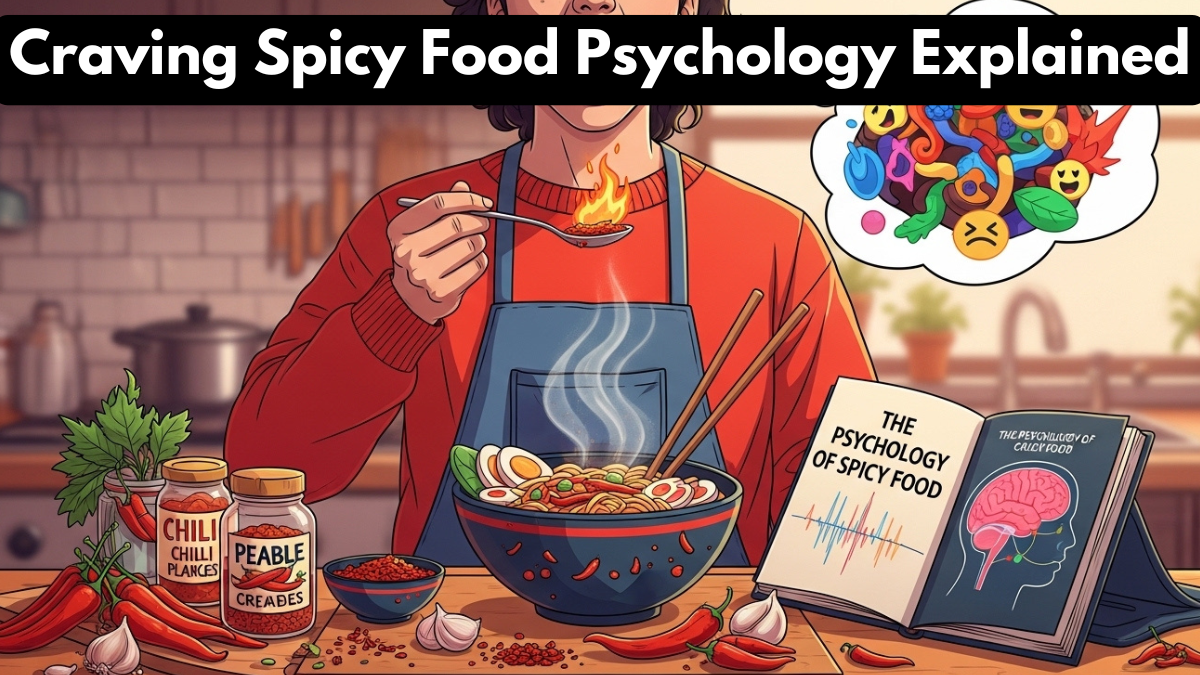
Why Craving Spicy Food Psychology Happens
The brain responds strongly to spicy foods because chili activates pain and pleasure signals at the same time. This creates a unique reaction where the body releases endorphins, which are chemicals linked to pleasure and temporary mood improvement. This is one of the key explanations behind craving spicy food psychology.
When people experience stress or emotional discomfort, they often seek quick forms of comfort. This is where food cravings reasons become psychological. Spicy food offers intensity, distraction, and a strong physical sensation that shifts attention away from emotional pressure. In many cases, this pattern becomes a form of emotional eating.
Common triggers include:
- Stress from work or studies
- Emotional loneliness
- Boredom during repetitive routines
- Habitual late-night snacking
- Social influence and food culture
- Childhood comfort food memories
These triggers show that craving spicy food psychology is often linked to emotional patterns rather than actual nutritional need.
Emotional Eating and the Desire for Strong Flavors
One of the strongest food cravings reasons is emotional imbalance. When people feel mentally tired, anxious, or emotionally low, they often choose foods with stronger flavors because they create faster satisfaction. This is why emotional eating often includes spicy, salty, or highly processed foods.
Spicy foods can feel energizing because they create physical stimulation. During emotional lows, bland foods may feel less satisfying, while spicy meals offer immediate sensory reward. This supports the cycle of craving spicy food psychology, especially when stress becomes part of daily life.
People may notice cravings during:
- Late-night work sessions
- Emotional arguments or relationship stress
- Exam preparation pressure
- Lonely weekends
- Recovery after a bad day
- Reward-based weekend eating habits
This pattern does not always indicate unhealthy behavior, but repeated stress-based cravings can reveal deeper emotional eating habits that deserve attention.
Common Food Cravings Reasons Behind Spicy Food Choices
Not every craving is emotional. Some food cravings reasons may also be linked to routine, environment, and body responses. People who regularly eat spicy food may simply develop a stronger tolerance and preference over time. Cultural food habits also strongly influence taste expectations.
For example, in many households, spicy food is normal from childhood. Over time, the brain associates spice with satisfaction and fullness. This strengthens craving spicy food psychology because the food feels familiar and emotionally safe.
Here is a simple comparison:
| Trigger Type | Example | Effect on Craving |
|---|---|---|
| Emotional Stress | Work pressure, sadness | Strong desire for comfort food |
| Habit-Based Craving | Daily spicy lunch routine | Automatic craving pattern |
| Cultural Preference | Spice-heavy family meals | Familiar taste satisfaction |
| Social Influence | Friends ordering spicy food | Shared food behavior |
| Sensory Reward | Enjoying intense flavors | Brain pleasure response |
This table shows how food cravings reasons are often a mix of emotional, social, and behavioral patterns.
When Craving Becomes Emotional Eating
Understanding when normal preference turns into emotional eating is important. If spicy food becomes the automatic response to every emotional situation, it may reflect emotional dependency rather than simple enjoyment. This is a key part of understanding craving spicy food psychology.
Signs of emotional eating may include:
- Eating spicy food without real hunger
- Craving food immediately after stress
- Feeling temporary relief followed by guilt
- Repeating the same food habit during emotional lows
- Using food as the main coping method
- Difficulty enjoying meals without strong spice
This does not mean spicy food is bad. The concern comes when food becomes the only emotional coping strategy. Recognizing these patterns helps create healthier balance around food cravings reasons.
Awareness is more important than strict control.
How to Manage Spicy Food Cravings in a Healthy Way
The goal is not to remove spicy food completely, but to understand the emotional pattern behind it. Managing craving spicy food psychology starts with noticing when cravings happen and what emotions come before them. This helps separate hunger from emotional triggers.
Helpful strategies include:
- Tracking mood before food cravings
- Creating balanced meal routines
- Finding non-food stress relief methods
- Staying hydrated during false hunger signals
- Allowing enjoyment without guilt
- Improving sleep and emotional recovery
Reducing emotional eating does not require strict dieting. It requires emotional awareness and healthier stress management. When people understand the real food cravings reasons, cravings become easier to manage without unnecessary guilt.
This creates a more balanced relationship with food rather than constant restriction.
Why Food Psychology Matters More Than Food Rules
Many people focus only on “good food” versus “bad food,” but real behavior often depends more on emotional patterns than food rules. The study of craving spicy food psychology helps people understand why cravings happen instead of simply fighting them.
When people feel judged for cravings, stress often increases, making emotional eating worse. Compassion and awareness are more effective than strict punishment. Food should not become another source of guilt.
Understanding personal food cravings reasons helps improve both physical health and emotional well-being. It shifts the focus from control to self-awareness.
That is why the conversation around craving spicy food psychology is becoming more important in modern lifestyle discussions.
Conclusion
The reality of craving spicy food psychology shows that food choices are often deeply connected to emotions, habits, and mental well-being. Spicy food provides strong sensory satisfaction, temporary mood relief, and emotional comfort, which explains why so many people reach for it during stressful moments.
By understanding real food cravings reasons and recognizing patterns of emotional eating, people can build a healthier relationship with food without guilt or extreme restrictions. Spicy food itself is not the problem—the key is knowing why the craving happens and responding with awareness instead of automatic emotional habits.
FAQs
What is craving spicy food psychology?
It refers to the emotional, mental, and behavioral reasons why people strongly desire spicy food, especially during stress, boredom, or emotional situations.
Is craving spicy food always linked to emotional eating?
Not always. Sometimes it comes from habit, cultural preference, or taste preference, but repeated stress-based cravings can be a sign of emotional eating.
What are the most common food cravings reasons?
Stress, boredom, routine habits, emotional comfort, social influence, and childhood food memories are some of the most common food cravings reasons.
Is emotional eating unhealthy?
Emotional eating is common and not always harmful, but if food becomes the main coping method for stress or sadness, it may affect long-term well-being.
How can I reduce spicy food cravings?
Understanding emotional triggers, improving meal balance, managing stress, and practicing awareness can help reduce unhealthy craving patterns without complete restriction.
Click here to learn more