Food is not always about hunger. Many people eat when they feel stressed, sad, bored, anxious, or even happy. This pattern is deeply connected to comfort eating habits psychology, where emotions influence food choices more than physical hunger. From late-night snacks after a stressful day to craving sweets during emotional moments, comfort eating has become a common part of modern life.
People often do not realize how strongly emotions affect their eating patterns. These hidden emotional eating triggers shape daily decisions and slowly become part of long-term food behavior. While occasional comfort eating is normal, repeated emotional eating can affect both physical and mental health.
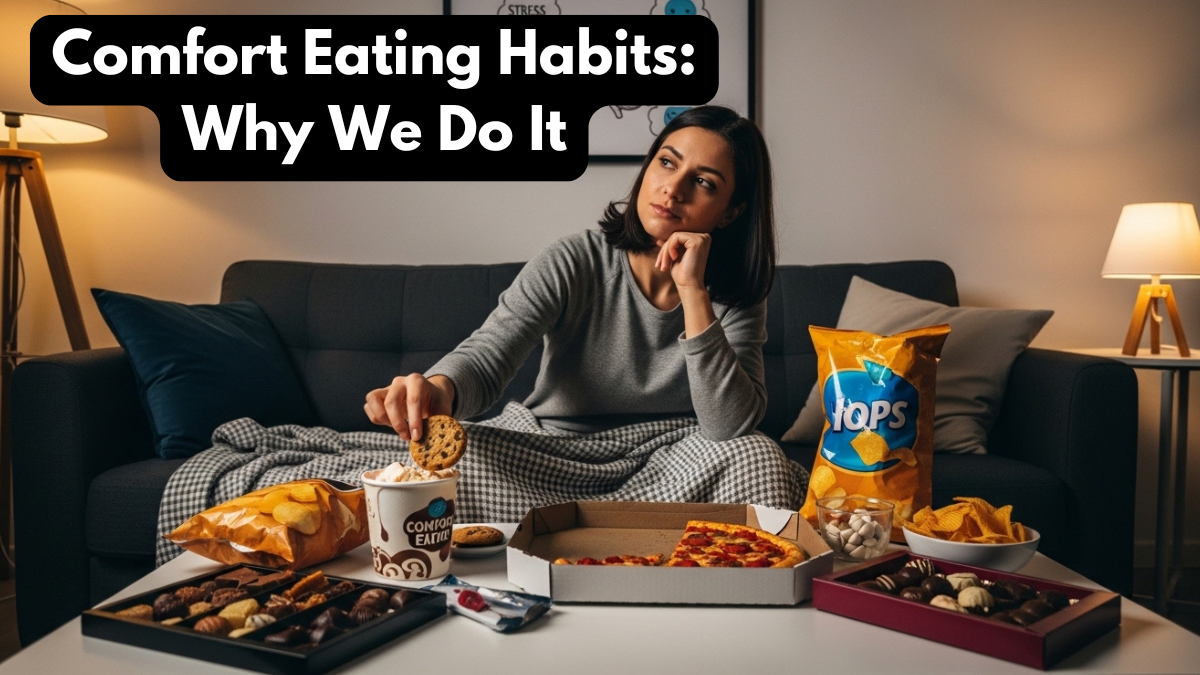
Understanding Comfort Eating Habits Psychology
The idea behind comfort eating habits psychology is simple—people use food to feel better emotionally. Certain foods, especially sugary, salty, or high-carb items, create temporary feelings of pleasure and relaxation. This happens because the brain releases chemicals like dopamine, which provide short-term emotional relief.
For many people, these habits begin in childhood. Food may have been used as a reward, celebration, or emotional support. Over time, the brain starts linking emotional comfort with eating. This creates strong emotional eating triggers that continue into adulthood and shape everyday food behavior.
Stress is one of the biggest reasons behind emotional eating. When people feel overwhelmed, food becomes a quick source of comfort. Instead of solving the real problem, eating offers temporary distraction. This is why understanding comfort eating habits psychology is important for healthier habits.
Common Emotional Eating Triggers That Affect Daily Life
There are many hidden emotional eating triggers that people experience without noticing. Stress from work, relationship problems, financial pressure, loneliness, and boredom are some of the most common examples. Even positive emotions like celebration or excitement can trigger unnecessary eating.
Lack of sleep is another major factor. When the body feels tired, cravings for unhealthy food often increase. This changes normal food behavior and makes emotional eating stronger. People may think they are hungry when they are actually mentally exhausted.
Social habits also matter. Watching movies with snacks, ordering food during stress, or treating dessert as emotional reward can become automatic patterns. These repeated actions strengthen comfort eating habits psychology and make it harder to separate hunger from emotion.
Sometimes people eat simply to avoid uncomfortable feelings. Instead of facing sadness or anxiety, they turn to food because it feels easier and safer. This emotional connection creates long-term eating patterns that are difficult to break.
Signs That Comfort Eating Is Becoming a Problem
Occasional comfort food is normal, but repeated emotional eating may become unhealthy. One common sign is eating without real hunger. If someone reaches for snacks immediately after stress, it often points to strong emotional eating triggers rather than physical hunger.
Another warning sign is guilt after eating. Many people feel regret after emotional eating because the food does not solve the original emotional issue. This creates a cycle where stress leads to eating, and eating creates more stress. This pattern strongly affects overall food behavior.
Secret eating, constant cravings, and depending on food for mood improvement are also common signs. People may feel they “need” certain foods to relax or feel normal. This shows how deeply comfort eating habits psychology can influence daily life.
Emotional eating can also impact energy levels, sleep quality, self-esteem, and long-term health. Recognizing these signs early makes it easier to build healthier habits before the pattern becomes stronger.
Table: Physical Hunger vs Emotional Hunger
| Physical Hunger | Emotional Hunger |
|---|---|
| Builds slowly over time | Appears suddenly and urgently |
| Can wait for a meal | Feels immediate and intense |
| Open to different food choices | Craves specific comfort foods |
| Stops when full | Continues even after fullness |
| No guilt after eating | Often followed by guilt |
| Body needs energy | Mind seeks emotional relief |
This table helps explain how comfort eating habits psychology works. Understanding the difference between physical hunger and emotional hunger improves awareness and helps control unhealthy food behavior.
How to Improve Food Behavior and Reduce Emotional Eating
The first step to improving food behavior is awareness. People should pause before eating and ask whether they are physically hungry or emotionally triggered. This simple question helps identify hidden emotional eating triggers and prevents automatic habits.
Keeping a food and mood journal can also be helpful. Writing down emotions before eating helps people notice patterns. For example, they may realize stress at work always leads to evening snacking. This awareness is powerful in changing comfort eating habits psychology.
Healthy alternatives can reduce emotional dependence on food. Walking, journaling, talking to a friend, listening to music, or resting may provide better emotional relief than unnecessary eating. These habits improve emotional balance without creating unhealthy eating patterns.
Better sleep, regular meals, and stress management also support healthier choices. When the body feels balanced, emotional eating becomes easier to control. Small consistent changes are more effective than strict dieting.
Most importantly, people should avoid self-judgment. Emotional eating is a human response, not a personal failure. Understanding the emotional side helps create long-term healthy change.
Conclusion
The truth about comfort eating habits psychology is that food often becomes more than nutrition—it becomes emotional support. Stress, boredom, sadness, and even happiness can activate strong emotional eating triggers that shape long-term food behavior.
Comfort eating is not always harmful, but when emotions control eating too often, it can affect health, confidence, and emotional well-being. Recognizing these patterns is the first step toward healthier choices.
Improving food behavior does not mean removing comfort completely. It means understanding why we eat, identifying emotional needs, and finding better ways to respond. When people become more aware of their emotional relationship with food, lasting change becomes possible.
The goal is balance, not perfection. By understanding comfort eating habits psychology, people can create healthier habits that support both body and mind.
FAQs
What is comfort eating habits psychology?
comfort eating habits psychology refers to the emotional connection between feelings and food, where people eat for comfort instead of physical hunger.
What are the most common emotional eating triggers?
Common emotional eating triggers include stress, boredom, loneliness, anxiety, sadness, lack of sleep, and even celebration or excitement.
How does emotional eating affect food behavior?
Emotional eating changes normal food behavior by creating habits where food becomes a solution for emotional discomfort rather than physical hunger.
How can I stop emotional eating habits?
You can reduce emotional eating by identifying triggers, keeping a food journal, improving sleep, managing stress, and choosing healthier coping activities.
Is comfort eating always unhealthy?
No, occasional comfort eating is normal. It becomes unhealthy only when food becomes the main way to handle emotions regularly.
Click here to learn more