Biometric payments are rapidly transforming how consumers interact with retail checkout systems, redefining speed, convenience, and trust in everyday transactions. As shoppers demand frictionless experiences and retailers look for ways to reduce queues and operational costs, biometric payments are emerging as a compelling solution. By using unique biological identifiers instead of cards or cash, retailers can streamline purchases while enhancing customer experience.
The adoption of biometric payments reflects broader shifts in consumer expectations shaped by mobile banking, contactless cards, and digital wallets. Shoppers increasingly value speed and simplicity, especially in high-traffic retail environments. By integrating biometric technology into checkout processes, retailers are responding to these expectations while preparing for a more digital-first commerce landscape.
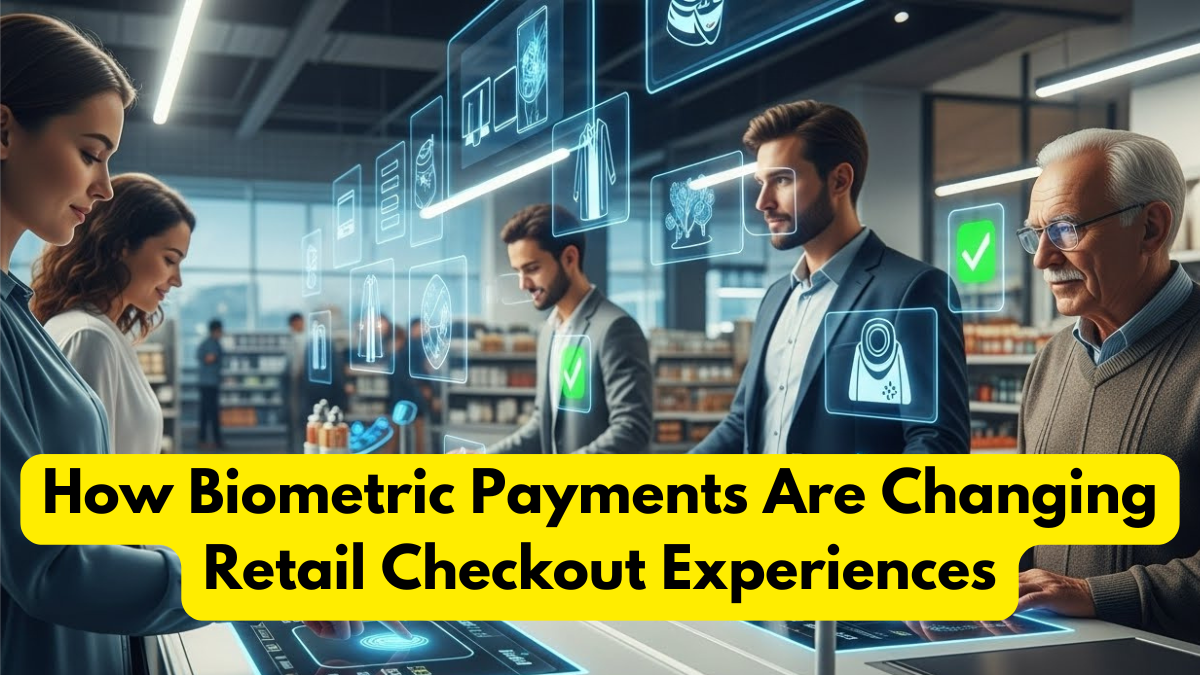
Facial recognition and frictionless checkout experiences
One of the most visible forms of biometric payments in retail is the use of facial recognition technology. At participating stores, customers can complete purchases by simply looking at a camera, eliminating the need to scan items manually or authenticate payments with PINs. This use of facial recognition significantly reduces checkout time and enhances convenience, particularly in busy urban retail locations.
From a retailer perspective, facial recognition enables seamless customer identification and payment authorization in a single step. This integration improves throughput and allows staff to focus on service rather than transaction processing. As biometric payments become more refined, facial recognition systems are expected to play a larger role in reshaping how customers move through physical retail spaces.
Strengthening payment security through biometrics
A major advantage of biometric payments lies in enhanced payment security. Traditional payment methods rely on something a user has, such as a card or phone, which can be lost or stolen. Biometrics, by contrast, rely on something a user is, making unauthorized transactions far more difficult. This shift significantly improves payment security for both consumers and retailers.
By combining encrypted biometric data with secure authentication protocols, biometric payments reduce fraud risks associated with card skimming and identity theft. Retailers benefit from fewer chargebacks and disputes, while customers gain confidence in the safety of their transactions. As concerns about digital fraud grow, payment security is a key driver behind the increasing adoption of biometric payments.
Retail efficiency, data insights, and customer experience
Beyond payments, biometric payments generate valuable operational insights for retail businesses. When customers opt in, biometric systems can link purchases to anonymized profiles, helping retailers understand shopping behavior and preferences. This data supports personalized offers, optimized inventory management, and improved store layouts.
In physical retail settings, biometric checkout reduces congestion and improves overall flow. Shorter queues lead to higher customer satisfaction and increased sales potential. By integrating biometric payments with loyalty programs and personalized services, retailers can create cohesive experiences that blend convenience with engagement, all while maintaining strong payment security standards.
Key benefits of biometric payments in retail include:
- Faster checkout through facial recognition
- Enhanced payment security and fraud prevention
- Reduced operational friction in retail stores
- Improved customer experience and satisfaction
- Actionable insights from transaction data
The table below compares biometric payments with traditional checkout methods:
| Aspect | Traditional Payments | Biometric payments |
|---|---|---|
| Authentication | Card, PIN, or device | Biological identifiers |
| Checkout speed | Moderate | Rapid |
| Payment security | Vulnerable to theft | Strong biometric protection |
| Retail efficiency | Queue-dependent | Streamlined flow |
| User convenience | Requires physical items | Hands-free experience |
Privacy concerns and implementation challenges
Despite their advantages, biometric payments raise important questions around privacy and data protection. Consumers may be cautious about how biometric data, including facial recognition information, is stored and used. Retailers must ensure transparency, secure data handling, and clear opt-in consent to maintain trust.
Regulatory compliance is also critical, particularly as laws governing biometric data vary by region. To succeed, retail businesses adopting biometric payments must balance innovation with responsibility. Clear communication around payment security and data safeguards can help address consumer concerns and encourage broader acceptance.
Conclusion
In conclusion, biometric payments are reshaping retail checkout experiences by combining speed, convenience, and enhanced payment security. Through technologies such as facial recognition, retailers can reduce friction, improve efficiency, and meet evolving consumer expectations. While challenges around privacy and regulation remain, thoughtful implementation positions biometric payments as a transformative force in the future of retail commerce.
FAQs
What are biometric payments?
Biometric payments are transaction methods that use biological identifiers, such as fingerprints or facial recognition, to authorize purchases.
How do biometric payments improve payment security?
They rely on unique biological traits, significantly reducing fraud and unauthorized transactions, thereby enhancing payment security.
Are biometric payments widely used in retail?
Adoption is growing, especially in high-traffic retail environments seeking faster checkout solutions.
Is facial recognition safe for payments?
When properly encrypted and regulated, facial recognition can offer strong security, though privacy safeguards are essential.
Do biometric payments replace cards and cash?
Biometric payments complement existing methods and may gradually reduce reliance on traditional payment options.
Click here to learn more